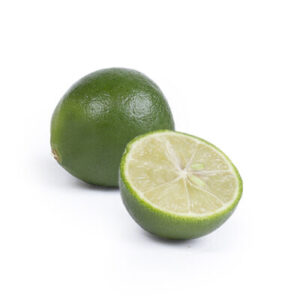

Lychee
Taste: sweet, juicy, aromatic, notes of rose and grape
How to eat: peel the skin, eat the inside (the stone is inedible)
Ripeness: red to pink skin
Storage: refrigerated for 1 week
Lychee offers a delicate, sweet taste with a slightly refreshing undertone. This fruity treat perfectly balances sweetness and freshness, providing a real pleasure for your palate. When you peel away the thin skin, you will discover a juicy and translucent flesh surrounding a large stone. The color of lychee varies from light pink to reddish brown, creating not only a delicious, but also an aesthetically appealing impression. Lychee is not only delicious, but also rich in nutrients, containing vitamins, minerals and antioxidants, making it not only delicious, but also beneficial for your health.
Here are some key nutrients commonly found in lychees:
Vitamin C: Lychee is an excellent source of vitamin C, which plays an important role in boosting the immune system, promoting skin health, is necessary for collagen formation, and acts as an antioxidant.
Vitamin B-Complex: Lychee contains B-complex vitamins such as thiamine, riboflavin, niacin, vitamin B6, and folate. These vitamins play a key role in metabolism, energy processes, and maintaining a healthy nervous system.
Potassium: Lychee provides a significant amount of potassium, a mineral that helps maintain electrolyte balance in the body, supports heart health, and regulates blood pressure.
Phosphorus: Phosphorus is a mineral that is important for bone and tooth health, and is also present in lychees.
Magnesium: Magnesium plays a role in many biological processes, including regulating muscle function, maintaining heart health, and supporting the immune system.
Copper: Lychee contains copper, which is essential for the formation of red blood cells, the absorption of iron, and the maintenance of healthy skin.
It is important to note that the nutritional composition of lychee fruits may vary depending on the variety, growing conditions and ripeness of the fruit.